

Siding Repair in Logan, UT: How to Spot Rot, Warping, and Water Intrusion
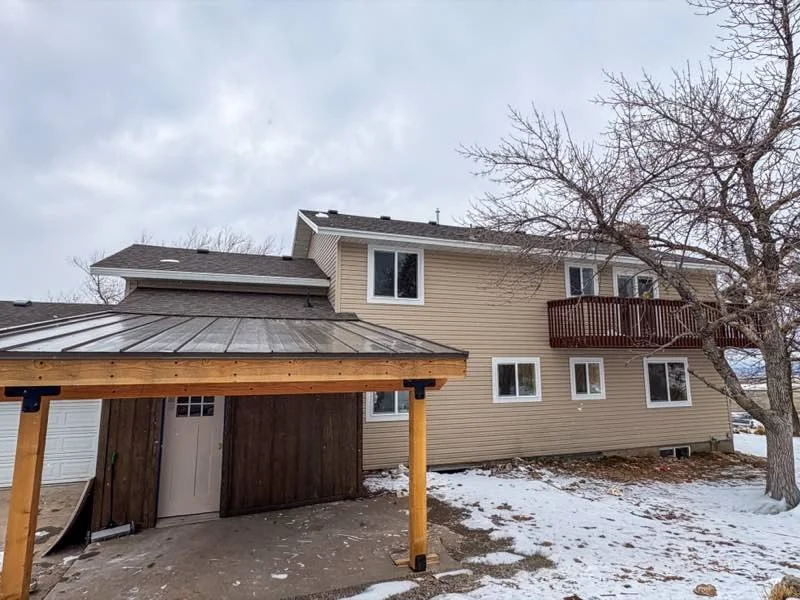
Siding, carport and windows in Paradise
Not all siding quotes include the same scope. Here’s how Logan homeowners can compare contractors and avoid missing details that lead to leaks and surprise costs.
If you’re noticing soft spots, swelling, or gaps in your exterior, you’re not alone. In Logan, Utah, siding takes a beating from freeze/thaw cycles, wind-driven moisture, and intense summer sun. Catching siding issues early can prevent expensive wall repairs later.
If you want a local set of eyes on it, start here: https://corbridgeconstruction.com/
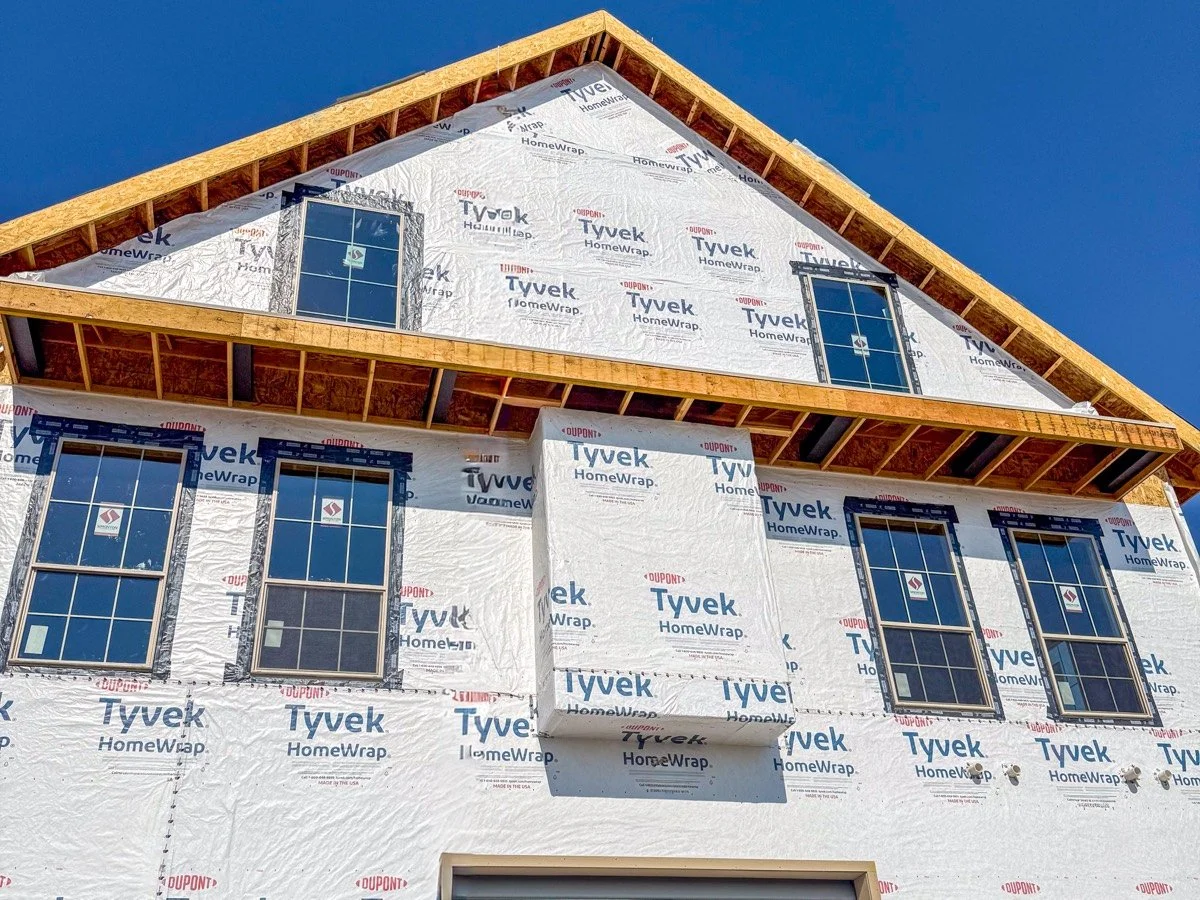
When Is It a “Repair” vs a “Full Siding Replacement”?
A good rule of thumb:
Repair is often possible when damage is limited to a few areas and the wall behind the siding is still solid.
Replacement becomes likely when damage is widespread, the wrap/flashing system is failing, or moisture has gotten into the sheathing in multiple locations.
A quick inspection can usually tell which direction makes sense.
9 Common Signs You Need Siding Repair in Logan, Utah
1) Soft spots or “spongy” trim and siding
Press gently near the bottom edge of siding, around windows, and at corners. If it feels soft, that often points to moisture intrusion and rot.
2) Warping, buckling, or wavy siding lines
Warping can be caused by:
trapped moisture behind the siding
heat exposure (especially west-facing walls)
improper fastening or missing expansion gaps (material-dependent)
3) Cracked, broken, or missing panels
Impacts, ladder damage, or age can crack panels, especially in colder months. Broken pieces create easy entry points for wind-driven moisture.
4) Gaps at seams, corners, or near trim
Small gaps can turn into water pathways during wind-driven rain and snow. Look closely at:
corner posts
belly bands / horizontal transitions
where siding meets trim boards
5) Bubbling paint or peeling stain on adjacent trim
If trim around windows/doors is bubbling or peeling, it can signal water is getting behind that area, even if the siding itself looks “okay.”
6) Staining on drywall near exterior walls
Interior stains (especially beneath windows) can be a clue that exterior water management is failing.
7) Moldy or musty odors near an exterior wall
This can indicate ongoing moisture in the wall cavity. It’s worth addressing quickly.
8) Insect activity or woodpecker attention
Insects or birds can be a symptom of soft, moisture-damaged wood behind the siding or trim.
9) Frequent caulk failures around windows and doors
If caulk keeps cracking or separating, it can be a movement issue, a flashing issue, or a sign the joint is staying wet longer than it should.
The Most Common “Problem Zones” on Logan Homes
If you’re checking your exterior, start here:
Bottom edge of siding (near grade): Splash-back and snow buildup are hard on materials.
Below windows: Leaks often show up under sills first.
Roof-to-wall intersections: Missing kick-out flashing can dump roof water behind siding.
Deck and porch connections: Ledger areas and posts can trap moisture if details are wrong.
North-facing walls: They can stay wet longer due to shade and snow linger.
What Causes Water Damage Behind Siding?
Most serious issues come from water management, not the siding “wearing out.”
Common causes include:
missing or incorrect flashing at windows/doors
poor roof-to-wall flashing (including kick-out flashing)
failed caulk used as the primary defense (caulk should be a backup, not the system)
siding installed too close to grade or rooflines
gutter/roof runoff dumping water onto walls
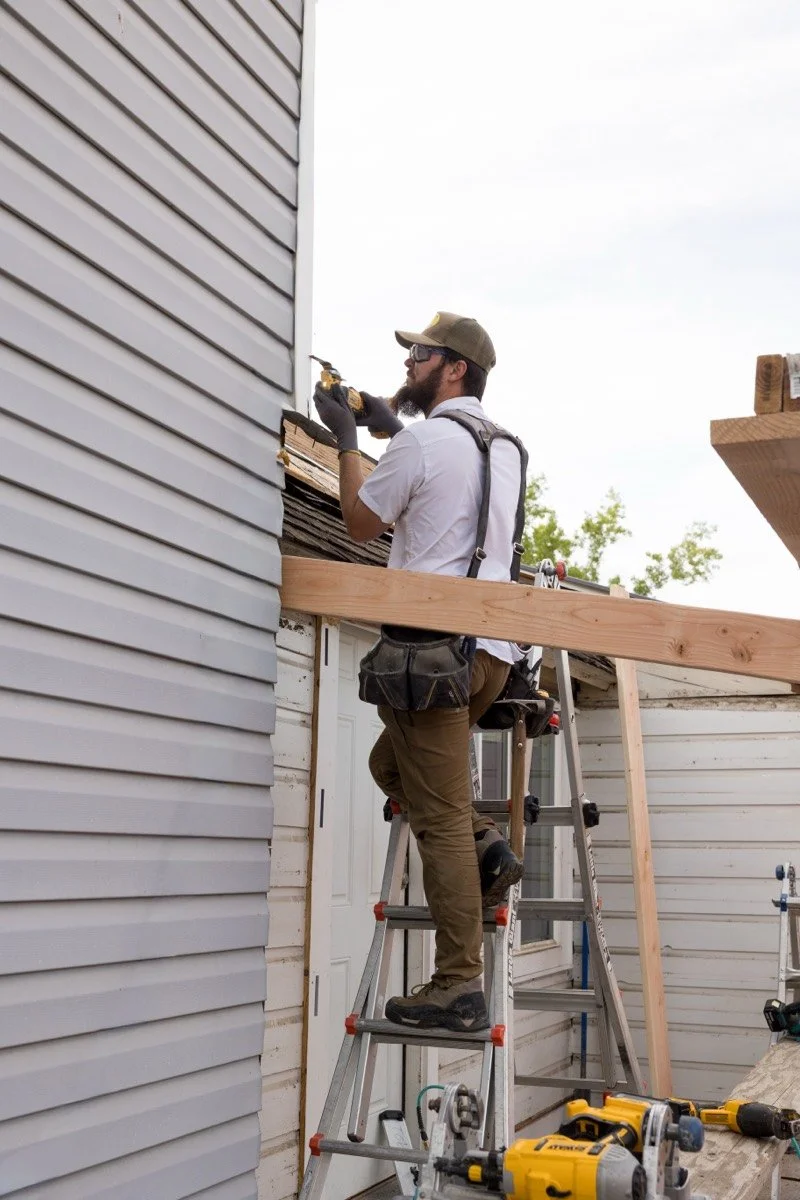
What To Do If You Suspect Siding Rot or Water Intrusion
Step 1: Document it
Take photos of the areas that look suspicious: bottoms of walls, corners, around windows, and any warped zones.
Step 2: Check for repeating patterns
If multiple windows show issues, or the same elevation has several failures, it may be a system issue (wrap/flashing), not a single bad panel.
Step 3: Don’t ignore “small” openings
In Cache Valley weather, small gaps can push moisture behind the siding quickly during storms and snow melt.
Step 4: Get an inspection that includes the details
A useful siding inspection looks at:
condition of sheathing/trim (where accessible)
flashing approach
clearances from grade/roof/decks
gutter/downspout discharge patterns
Siding Repair Tips That Save Money Long-Term
Fix gutters/downspouts first if runoff is the culprit.
Replace damaged trim at the same time as siding repair, trim is often where rot starts.
Insist on proper flashing for window/door repairs (not just “new caulk”).
Match materials and profiles carefully so repairs look clean and intentional.
Ready for Siding Repair in Logan, UT?
If you’re seeing rot, warping, cracks, or signs of water damage, it’s worth addressing before the wall system gets compromised. Request an inspection or estimate here: https://corbridgeconstruction.com/
- Utah #14294523-5501Licensed and insured
- 1 yearWorkmanship warranty on every job
- 5.0 on GoogleRated by Cache Valley homeowners
- One crewSame people from demo to final walkthrough