

What to Expect When Hiring a General Contractor in Logan: Step-by-Step Process
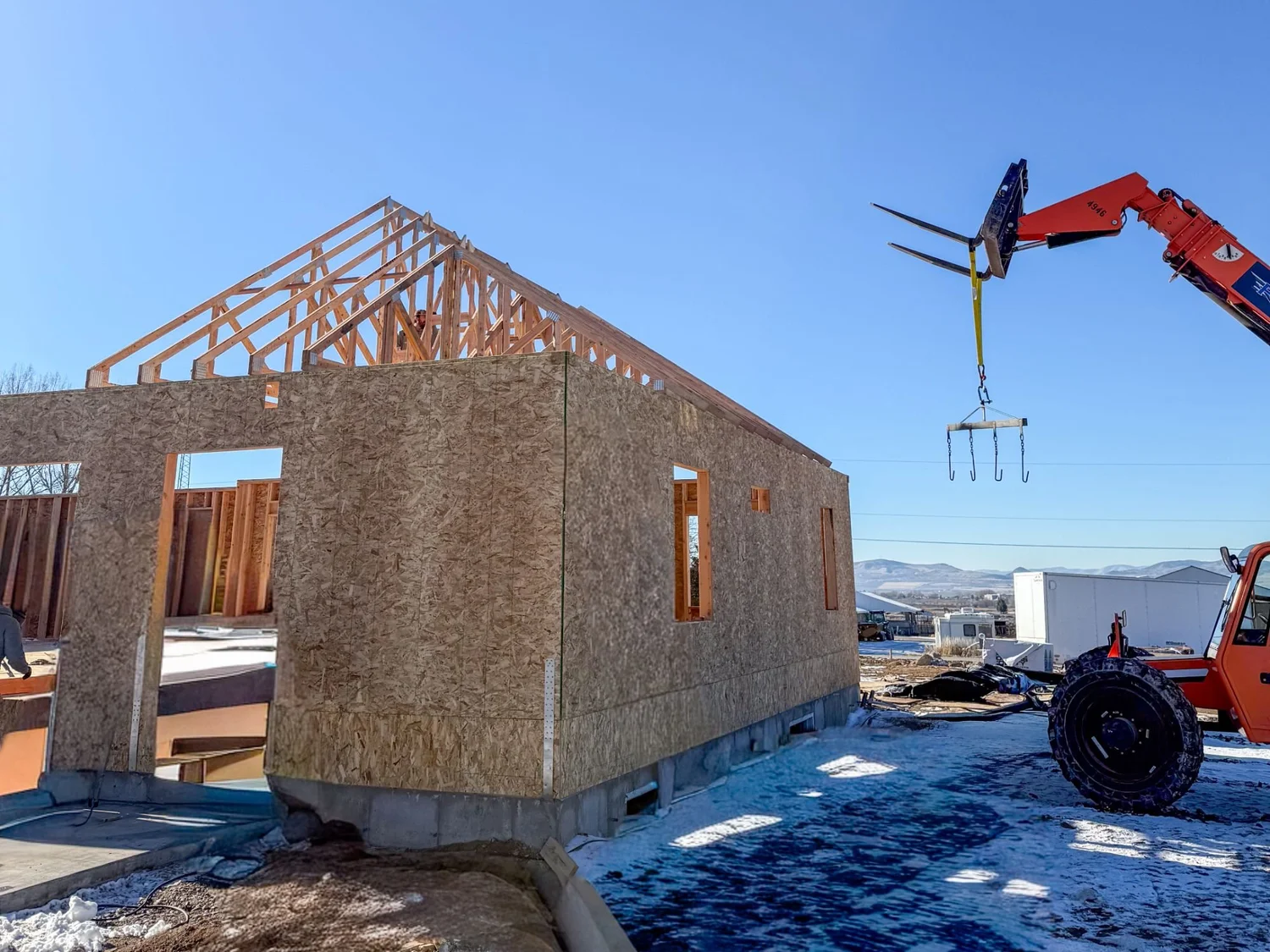
Sheathing and housewrap on a Smithfield build
Learn what to expect when hiring a general contractor in Logan, Utah. Step-by-step guide on estimates, planning, construction, timelines, and communication.
If you're planning a remodel in Logan, Utah, working with a general contractor is the best way to manage labor, materials, scheduling, and quality control. However, many homeowners are unsure what the process looks like, how long it takes, or what role they play.
This guide walks you through the typical step-by-step process for hiring and working with a general contractor in Cache Valley.
Step 1: Initial Inquiry and Consultation
Most projects begin with a conversation about:
Project goals
Budget expectations
Timeline considerations
Design preferences
This meeting may take place:
In person at the home
Over the phone
Through email
A reputable contractor will ask questions to understand your needs before offering solutions.
Corbridge Construction provides free consultations for homeowners in Logan and Cache Valley:
https://www.corbridgeconstruction.com/
Step 2: On-Site Evaluation
A contractor will typically schedule an on-site visit to:
Measure space
Inspect existing conditions
Identify structural or mechanical limitations
Discuss design possibilities
For larger projects, multiple site visits may be necessary.
This stage allows the contractor to take accurate notes before developing an estimate.
Step 3: Detailed Estimate or Proposal
A professional estimate should include:
Scope of work
Itemized materials and labor
Timeline or phases
Payment schedule
Change order policy
Permit requirements
You should have the opportunity to review and ask questions before signing.
Avoid contractors who refuse to provide written estimates or only offer vague ballpark numbers.
Corbridge Construction provides free, detailed quotes for every project.
Step 4: Contract and Scheduling
Once an estimate is approved, you’ll sign a contract that outlines:
Project scope
Total price and payment schedule
Expected start and finish dates
Warranty details
Responsibilities of each party
After signing, contractors typically:
Order materials
Schedule trades
Secure permits
Finalize timeline
Lead times vary based on availability and scope.
Step 5: Design and Material Selection
If design choices are not finalized prior to signing, this stage may involve:
Selecting tile, flooring, cabinetry, fixtures, and finishes
Reviewing renderings or layouts
Approving samples or mock-ups
The contractor may assist with:
Product sourcing
Price comparisons
Design recommendations
Clear decisions at this stage prevent costly changes later.
Step 6: Construction and Project Management
Once work begins, a general contractor is responsible for:
Coordinating trades
Managing schedules
Handling inspections
Ensuring code compliance
Tracking expenses
Construction may be noisy, dusty, and disruptive.
However, good contractors communicate clearly, provide updates, and keep work areas safe.
Homeowners are typically expected to:
Keep access available
Make timely decisions
Approve changes
Step 7: Change Orders (If Needed)
Change orders occur when:
Design decisions shift
Hidden issues are identified
Materials become unavailable
Unexpected repairs are required
Examples:
Subfloor damage
Plumbing reroutes
Structural modifications
A professional contractor will:
Document changes
Provide pricing
Obtain written approval before proceeding
Transparency here is crucial.
Step 8: Final Walkthrough and Punch List
At the end of construction, you will:
Inspect finished work
Identify any concerns
Approve or request corrections
A “punch list” may include:
Paint touch-ups
Hardware adjustments
Fixture alignment
Do not skip this step, it ensures quality and satisfaction.
Step 9: Warranty, Invoicing, and Closeout
Reputable contractors provide:
Warranty information
Final invoice
Maintenance instructions
Permit documentation
Your relationship doesn’t end when the final payment is made.
A local contractor should stand behind their work.
How Long Does the Process Take?
Timelines vary widely based on project size.
Typical durations in Logan, Utah:
Small remodels: 2 to 6 weeks
Kitchens and bathrooms: 6 to 12 weeks
Basement finishing: 8 to 16 weeks
Additions/major renovations: 3 to 12+ months
Planning, permitting, and material lead times may extend the schedule.
What Homeowners Can Expect in Logan, Utah in 2026
In Cache Valley’s current construction market:
Demand is steady
Labor is competitive
Supply chains are more stable than 2020 to 2023
However, early planning remains crucial, especially for large projects.
Why Many Homeowners Hire Corbridge Construction
Corbridge Construction, based in Logan, is a trusted general contractor specializing in:
Kitchens
Bathrooms
Basements
Additions
Whole-home remodeling
They are known for:
Quality craftsmanship
Clear communication
Detailed estimates
Fair pricing
Local expertise
They also offer free quotes:
https://www.corbridgeconstruction.com/
Final Thoughts
Hiring a general contractor in Logan, Utah is a multi-step process that involves planning, communication, and trust.
Understanding this process helps you prepare, make informed decisions, and avoid frustration.
The right contractor will guide you from start to finish with transparency and professionalism.
If you're planning a remodel in 2026, Corbridge Construction offers free, no-obligation estimates for projects of any size.
Request a quote today:
https://www.corbridgeconstruction.com/
- Utah #14294523-5501Licensed and insured
- 1 yearWorkmanship warranty on every job
- 5.0 on GoogleRated by Cache Valley homeowners
- One crewSame people from demo to final walkthrough